Solitaire – A Timeless Card Challenge for Every Player
Understanding the Classic Solitaire Experience
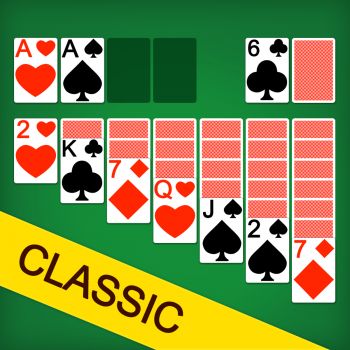
Solitaire is a single player card game that has been enjoyed for generations. The game uses a standard deck of fifty two cards and challenges the player to arrange the cards in a specific order. The objective is to move all cards to four foundation piles, each representing one suit, in ascending order from ace to king. The layout typically includes a tableau of seven columns, a stock pile, and the foundations. The simplicity of the rules combined with the depth of strategy makes Solitaire a perfect pastime for both quick sessions and long focused play.
Why the Game Remains Popular
The appeal of Solitaire lies in its balance of chance and skill. Each deal presents a new puzzle, and the player must decide which moves will free hidden cards and create new opportunities. The game can be played at any pace, allowing casual players to unwind and competitive players to chase perfect clears. Because the game does not require an internet connection, it is a reliable companion on computers, tablets, and mobile devices.
How to Begin a Game
Starting a game of Solitaire is straightforward. The deck is shuffled and dealt into the tableau. The first column receives one card, the second column receives two cards, and so on until the seventh column receives seven cards. Only the top card of each column is face up. The remaining cards form the stock pile, which can be drawn one at a time or three at a time depending on the chosen variation. The foundations begin empty and will be built up as the player uncovers aces and progresses through each suit.
Basic Moves to Know
- Move a face up card onto a tableau column that has a card of the opposite colour and one rank higher.
- Place an ace onto an empty foundation pile to start building that suit.
- Transfer a sequence of correctly ordered cards as a block to another column when the move follows the colour and rank rules.
- When no more moves are possible, draw a new card from the stock pile and look for fresh placement options.
Strategies for Success
While luck determines the initial layout, strategic thinking can dramatically improve the chances of a win. Here are several practical tips that can help players of all skill levels.
Expose Hidden Cards Early
Prioritise moves that reveal face down cards in the tableau. Uncovering a hidden card creates new possibilities and prevents the game from stagnating. If a choice exists between moving a card to a foundation or to another tableau column, consider which action will uncover the most cards.
Build Foundations Wisely
Moving cards to the foundations is essential, but doing so too quickly can limit options on the tableau. Occasionally it is better to keep a low rank card in the tableau if it can serve as a bridge for other moves. Evaluate each decision based on how it will affect the overall layout.
Use Empty Columns Strategically
An empty tableau column is a valuable resource. It can receive a king or a sequence that starts with a king, providing a place to reorganise cards. When an empty column appears, plan ahead for the most advantageous card or sequence to place there.
Manage the Stock Pile
Because the stock pile can be cycled a limited number of times, it is important to think ahead before drawing a new card. If a useful card is already visible, consider using it before pulling from the stock. This approach reduces the risk of missing critical moves later in the game.
What Makes Solitaire Enduring
Solitaire’s longevity is rooted in its accessibility and depth. The game requires no special equipment beyond a deck of cards, making it easy to start. At the same time, the endless variety of deals ensures that no two sessions feel identical. Players can set personal challenges such as completing the game in the fewest moves, achieving a perfect clear, or beating a personal best time. These self‑imposed goals keep the experience fresh and rewarding.
Frequently Asked Questions
Can Solitaire be played on modern devices?
Yes, the game is available on computers, tablets, and smartphones. Many online platforms host a version that follows the classic rules and provides a smooth digital experience.
Is there a way to track progress or improve scores?
Most digital versions include a scoring system that rewards quick and efficient play. Players can monitor their scores and aim to improve with each session.
What variations exist beyond the classic layout?
There are several well known variations such as Klondike, Spider, and FreeCell. Each variation introduces its own set of rules and challenges while preserving the core principle of arranging cards in order.
How many attempts does a player typically need to master the game?
Mastery depends on the individual. Regular practice helps players recognise patterns and develop efficient strategies. Many players notice improvement after a few dozen games.
Is Solitaire suitable for beginners?
Absolutely. The rules are simple enough for new players to learn quickly, yet the strategic depth offers a rewarding experience for seasoned gamers.