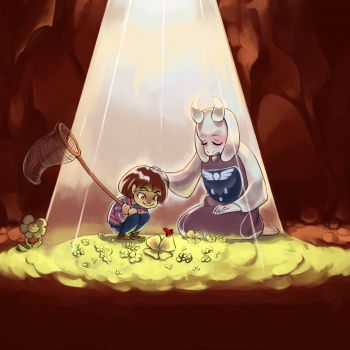
Undertale Overview and Player Appeal
Undertale is an indie role playing adventure created by Toby Fox. The game invites players to explore a hidden underground world populated by monsters who have been sealed away for centuries. The core experience revolves around the choices made during encounters. Players can choose to fight, flee, or find a peaceful resolution through dialogue and clever actions. This freedom of approach creates a deep emotional connection and encourages multiple playthroughs to discover every possible outcome.
The art style combines simple pixel graphics with expressive character designs. The soundtrack, composed by the developer, enhances the atmosphere and reacts to player decisions. Because the game focuses on narrative and moral choices, it attracts both seasoned gamers and newcomers who appreciate story driven gameplay.
How to Begin Your Journey in Undertale
When you first start the game you awaken in a dark cavern and quickly meet a talking flower named Flowey. This early interaction sets the tone for the importance of reading every line of dialogue. The game presents a menu of actions such as “Talk”, “Act”, “Item”, and “Fight”. Selecting “Talk” often opens new options that can avoid combat entirely. The “Act” command allows you to interact with the enemy in creative ways, sometimes revealing hidden information that leads to a non‑violent resolution.
Exploration is guided by simple directional movement. The world is divided into distinct areas, each with its own set of characters and puzzles. It is advisable to take your time and examine every object, as many hidden items and story details are tucked away in corners of the map. Saving the game frequently ensures that you can experiment with different choices without losing progress.
Approaches to Conflict and Decision Making
Peaceful Path Strategies
Choosing a peaceful path relies heavily on patience and observation. When an enemy appears, look for a “Mercy” option after the dialogue has been exhausted. This option often appears after you have successfully used the “Act” command to show empathy or curiosity. Understanding each monster’s personality helps you select the most effective action. For example, a shy creature may respond positively to a gentle gesture while a more aggressive foe may require a clever distraction.
Combat Focused Tactics
If you prefer a more traditional combat experience, the “Fight” command engages a turn based system where timing and pattern recognition are key. Enemies display attack patterns that can be memorized and avoided. Managing health and using items wisely will keep you alive through tougher battles. Remember that each victory may affect the story, so consider the long term impact of a purely aggressive approach.
Replay Value and Community Influence
Undertale’s design encourages replayability through its multiple endings. The game tracks the overall level of violence or compassion you exhibit, leading to distinct conclusions that reveal new aspects of the narrative. Many players enjoy completing a “neutral” run after experiencing both the pacifist and the combat heavy routes.
The community surrounding the game is vibrant, with fan art, music remixes, and theory discussions thriving on various platforms. Sharing your own experiences and learning from others can deepen your appreciation of the story. Online forums often provide hints for hidden secrets, but the game rewards personal discovery, so use external help sparingly.
Frequently Asked Questions
What makes Undertale different from other role playing games?
The primary difference lies in the emphasis on player choice during encounters. Rather than forcing combat, the game offers dialogue driven alternatives that can change the outcome of the story. This mechanic creates a unique blend of humor, emotion, and moral reflection.
Is it possible to finish the game without ever fighting?
Yes, a dedicated player can complete the entire adventure by using the “Talk” and “Act” options to resolve every encounter peacefully. This requires careful reading of each character’s cues and sometimes multiple attempts to discover the correct interaction.
How many endings does Undertale have?
Undertale features several distinct endings that reflect the overall tone of the playthrough. The most commonly referenced conclusions are the pacifist ending, the neutral ending, and the combat focused ending. Each provides a different perspective on the underground world.
Can I play Undertale on a mobile device?
The game has been released on multiple platforms, including personal computers and handheld consoles. Availability on mobile devices depends on the specific store offerings in your region.
Do I need to complete side content to understand the main story?
The central narrative can be followed without engaging in optional side content, but many characters and plot details are expanded through extra interactions. Exploring side content enriches the overall experience and often unlocks additional dialogue in later sections.