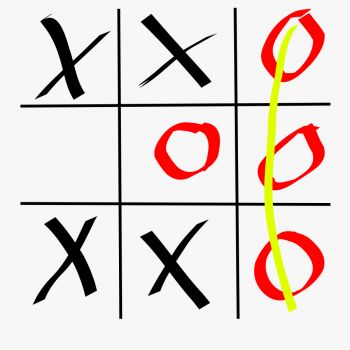
Overview of Tic Tac Toe
Tic Tac Toe is a classic paper and pencil game that has been adapted for digital play on many web sites. The game is played on a three by three grid. Two participants take turns marking a single square with either an X or an O. The objective is to place three of one’s marks in a straight line horizontally, vertically, or diagonally before the opponent can do the same. Because the board is small and the rules are simple, a single match can be completed in a matter of minutes.
Despite its simplicity, Tic Tac Toe offers a surprising amount of depth for players who enjoy thinking ahead. The game is often used as an introductory puzzle for children learning basic strategy, yet it also serves as a quick mental warm up for seasoned gamers looking for a brief diversion.
How to Approach the Game
When you first launch a digital version of Tic Tac Toe, you will be presented with an empty grid and the option to choose whether you would like to be X or O. Most platforms allow you to play against a computer opponent or a human opponent on the same device. Selecting X gives you the advantage of making the first move, while choosing O places you in a reactive position.
First Move Options
The most common opening move for the player who goes first is to place a mark in the centre square. Controlling the centre gives you the greatest number of potential winning lines. If you prefer a corner start, you still retain a solid chance to create a fork later in the game. A side square is generally less effective because it limits the number of lines you can complete.
Common Mistakes to Avoid
Many new players focus on creating a line without paying attention to the opponent’s threats. It is important to always scan the board after each turn to see if the opponent is one move away from winning. Ignoring a potential three in a row for the opponent often results in an immediate loss.
Strategic Considerations
Because the board contains only nine squares, the total number of possible game states is limited. This makes it possible to learn a set of optimal responses that can lead to a draw at worst and a win at best.
Creating a Fork
A fork occurs when you place a mark that creates two separate lines that each need only one additional mark to win. By establishing a fork, you force the opponent to block one line while the other line remains open for a winning move on your next turn.
Blocking the Opponent
Whenever the opponent has two marks aligned with an empty square, you must place your mark in that empty square on your next turn. This defensive move prevents an immediate loss and often gives you an opportunity to counter‑attack.
Playing for a Draw
If you find yourself in a position where a win is unlikely, aim to fill the board without giving the opponent a chance to complete three in a row. A well‑executed draw is preferable to a loss and can be a satisfying outcome against a strong opponent.
Replay Value and Social Play
One of the strengths of Tic Tac Toe is its endless replayability. Each match is short, allowing players to engage in multiple rounds in a single sitting. The game also lends itself well to friendly competition. Many online game sites feature leaderboards that track win loss records, encouraging players to improve their strategic thinking.
Because the game can be played on a single device, it is a popular choice for quick matches between friends or family members. The simplicity of the rules means that anyone can join a game without needing a tutorial, making it an inclusive option for gatherings of mixed ages.
For those who enjoy a more challenging experience, some digital versions include difficulty settings for the computer opponent. Higher difficulty levels employ algorithms that make optimal moves, providing a rigorous test of your strategic planning.
Frequently Asked Questions
Can I win every game if I play perfectly?
If you always make the optimal first move and respond correctly to every opponent threat, you can guarantee at least a draw. A win is possible when the opponent makes a mistake.
Is there a difference between playing against a computer and a human?
Playing against a computer often means facing an opponent that follows a perfect strategy, especially at higher difficulty levels. Human opponents may make unpredictable errors, which can create opportunities for quick victories.
How many moves does a typical game last?
A complete game can last anywhere from five to nine moves, depending on how quickly a winning line is formed or the board becomes full.
What is the best opening move for the first player?
Placing a mark in the centre square provides the greatest flexibility for creating multiple winning lines. A corner opening also offers strong strategic possibilities.
Can I play Tic Tac Toe on mobile devices?
Yes, many online platforms host responsive versions of the game that work well on smartphones and tablets, allowing you to enjoy quick matches on the go.